


How to Start Working Out: A Complete <a href="https://spotyflex.com/category/beginner" class="sf-autolink">Beginner</a>'s Roadmap 2026

Ever walk into a gym and feel like everyone else knows exactly what they're doing… while you're just trying to figure out which machine won't launch you into space? Yeah. Been there.
Here's the real tea: most people don't quit working out because they're lazy or weak. They quit because they go way too hard, way too fast, chasing results instead of habits. They treat workouts like punishment for pizza instead of something that's actually supposed to make life better.
This isn't one of those "go all-in for 30 days and disappear by Valentine's Day" plans. This is a chill, realistic roadmap for beginners who want to feel stronger, healthier, and not completely miserable. Think long-term wins, not short-term suffering.
Starting fitness without a plan is like trying to build a house by throwing bricks around your yard and hoping for the best. Spoiler: it collapses. Let's do this the smart (and sane) way.
Phase 1: Get Your Head Right First
Find Your "Why" (No, "I Hate My Body" Doesn't Count)
Before you lift anything heavier than your phone, ask yourself why you want to work out.
- Is it to have more energy?
- Reduce stress?
- Not feel like climbing stairs is a cardio event?
- Keep up with future kids or just… life?
Your "why" is what gets you moving when it's cold, early, and your bed is begging you to stay. Motivation comes and goes, your reason sticks around.
Set Goals That Don't Suck (SMART Goals, But Make Them Human)
Saying "I wanna get in shape" sounds nice… and does absolutely nothing. Instead, try this:
- Specific: "I'll work out 3 times a week"
- Measurable: "I'll hold a plank for 60 seconds"
- Achievable: Start with bodyweight, not superhero workouts
- Relevant: Something that actually matters to you
- Time-based: Check progress every 4 weeks
💡 Pro Tip
Small, clear goals = way less quitting. Write them down and review weekly.
Gym Anxiety Is Real (And Totally Normal)
Pro tip: go to the gym when it's quiet; late morning or early afternoon. Fewer people, less pressure.
Also, fun reminder: every jacked person you see once had no idea what they were doing either. Nobody's judging you, they're too busy worrying about themselves.
Phase 2: Figure Out Where You're Starting From
You wouldn't start a road trip without knowing where you are. Same thing here — especially if you don’t know your
maintenance calories yet.
That’s the baseline for everything.
Cardio Check (Nothing Crazy)
You can do:
- A 12-minute run
- Or a 1-mile fast walk
This just gives you a baseline. Not a test. No grades. Just info.
Strength Basics
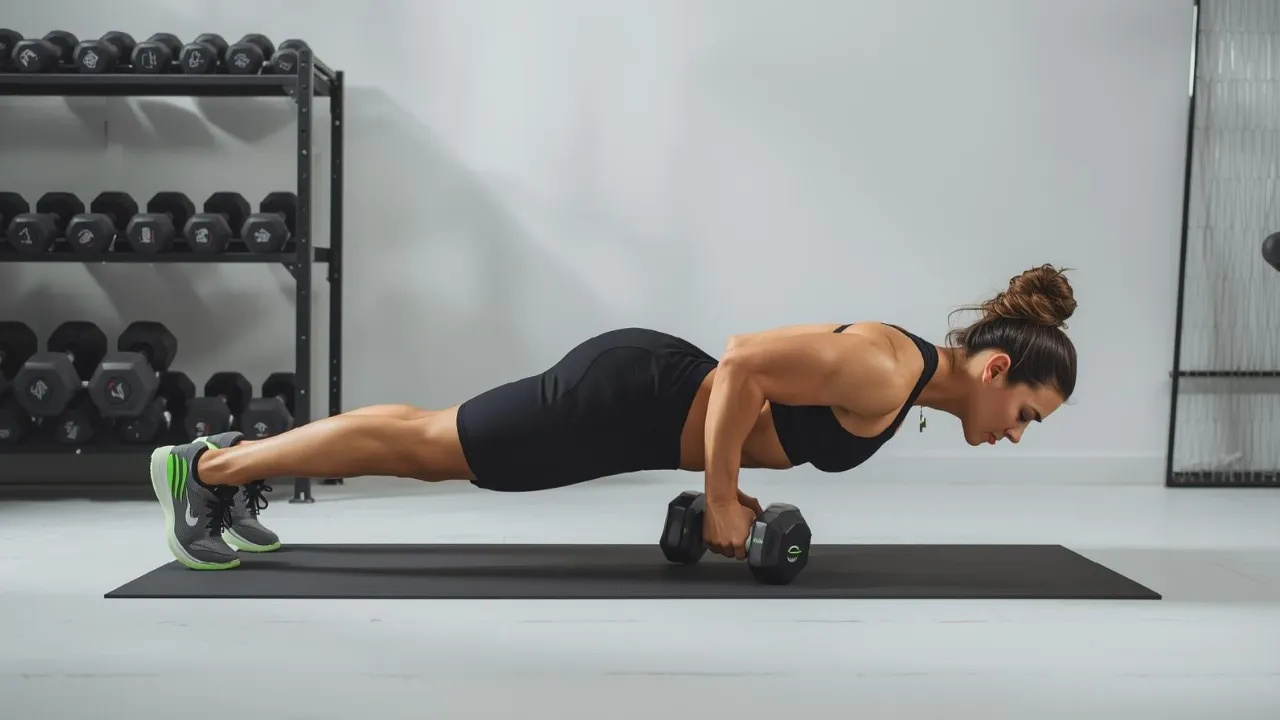
- Push-ups: How many can you do with decent form?
- Plank: Can you hold 20 seconds? 30? Cool, that's your start.
No fancy gear needed. Just honesty.
The Scale Is Not the Boss
Your weight doesn't tell the whole story. Waist size matters too; especially for long-term health. It's just another data point, not a judgment.
Remember: Progress ≠ just losing weight
Feeling better, having more energy, and moving without pain all count.
Feeling a bit lost already?
Phase 3: The 7 Movements You Actually Need
You don't need 100 exercises. You need these basics:
| Movement | Beginner Version | Simple Tip |
|---|---|---|
| Squat | Bodyweight squat | Knees follow toes |
| Hinge | Glute bridge | Keep your back neutral |
| Push (forward) | Modified push-up | Chest proud |
| Push (up) | Dumbbell overhead press | Elbows slightly out |
| Pull (forward) | Dumbbell row | Pull elbow back |
| Pull (down) | Assisted lat pulldown | Chest up |
| One-leg work | Reverse lunge | Big step back |
Squats = legs + daily life skills
Hinges = strong back, fewer injuries
Push & pull = balanced upper body
Lunges = strength + balance (and humility)
🎯 Key Point
Master these first. Fancy stuff comes later.
Phase 4: Your First 4 Weeks (Nice and Simple)
Week 1: Full Body – 3 Days
Just show up. Learn the moves. Build the habit.
If you’re not sure how to structure your week properly, here’s how to
build a weekly workout plan that actually works
.
Week 2: Upper / Lower – 4 Days
A bit more volume, still manageable.
Week 3: Push / Pull / Legs – 5 Days (Optional)
Only if you're feeling good. No pressure.
Week 4: Full Body Again (Slightly Heavier)
You'll feel stronger now. Enjoy it.
💪 Insider Tip
Start heavy-ish, then lower the weight each set. You'll feel strong and survive the workout.
Phase 5: The Stuff That Actually Makes Results Happen
Food (No, You Don't Need a Perfect Diet)
- Eat some carbs before workouts (energy = good)
- Eat protein after (muscles like this)
- Don't overthink it
Consistency > perfection.
And if you’ve been consistent but still not seeing progress, you’re probably making one of these
common fitness mistakes
.
Water: Drink Like a Normal Human
Drink when you're thirsty. You don't need to drown yourself.
A simple rule: about half your body weight (in pounds) in ounces per day. Adjust if you sweat a lot.
Sleep Is the Real Cheat Code
If you're sleeping 4 hours and training hard… that's not discipline, that's self-sabotage.
Aim for 7–9 hours. Your muscles, hormones, and mood will thank you.
Tech Can Help (If You Don't Obsess)
Smartwatches and fitness apps are cool for tracking heart rate and effort. Use them as guides, not gods.
FAQ: Stuff Everyone Asks
How often should I work out?
Start with 3 days a week. That's enough. Seriously.
Cardio or weights for fat loss?
Both. Lift weights to keep muscle, do cardio to burn energy. Best combo.
My joints hurt, now what?
Try low-impact stuff: cycling, swimming, elliptical. Pain-free > "hardcore."
Final Thoughts: This Is a Long Game
Some days you'll feel amazing. Other days, just showing up is the win; and that still counts.
You don't need to be perfect. You just need to be consistent.
Start where you are. Use what you have. Do what you can.
That first workout? It doesn't have to be epic. It just has to happen.
What's Your Fitness Story?
Drop a comment below! What's one thing you're committing to this week? Share your goals, struggles, or wins. We'd love to hear from you and help keep you accountable.
What You Should Do Next
Don’t just read — take action:
👉 Calculate your maintenance calories
👉 Build a workout plan that fits you
👉 Avoid the biggest beginner mistakes
👉 Understand why doing more can backfire
👉 Calculate your maintenance calories
👉 Build a workout plan that fits you
👉 Avoid the biggest beginner mistakes
👉 Understand why doing more can backfire
Sources & References
- Teixeira PJ, et al. Exercise, physical activity, and self-determination theory: a systematic review. PubMed — International Journal of Behavioral Nutrition and Physical Activity, 2012
- Kraemer WJ, Ratamess NA. Fundamentals of resistance training: progression and exercise prescription. PubMed — Medicine & Science in Sports & Exercise, 2004
- Dattilo M, et al. Sleep and muscle recovery: endocrinological and molecular basis for a new and promising hypothesis. PubMed — Medical Hypotheses, 2011
- Willis LH, et al. Effects of aerobic and/or resistance training on body mass and fat mass in overweight or obese adults. PubMed — Journal of Applied Physiology, 2012
Y
Younes Ouba
Founder of SpotyFlex, Full-Stack Developer & lifelong fitness enthusiast. I build the platform and the content. The goal is always the same: real fitness knowledge, zero BS.
Your Next Step (Don’t Stop Here)
Check out our complete collection of fitness guides, nutrition tips, and training routines designed to help you crush your goals.
Explore All Articles5k+ Monthly Readers
Editorial standardsNEXT:Browse all articles
Start reading

/1.webp)
