Chicken breast and eggs are great. But if you're eating them twice a day, every day, you're going to burn out fast — and that's usually when diets fall apart. Here are 12 high-protein foods that work just as well (some even better), with exact protein counts and practical meal ideas.
Why Protein Variety Actually Matters
Most people know protein is essential for building muscle and preserving lean mass during a calorie deficit. What fewer people realize is that different protein sources come with different amino acid profiles, micronutrients, and satiety responses.
Eating the same source every day also makes adherence harder. Dietary boredom is one of the top reasons people abandon structured eating. Rotating your protein sources keeps meals interesting and ensures you're covering more nutritional bases.
According to research, dietary variety is one of the strongest predictors of long-term diet adherence — more than macros, calories, or meal timing.
Quick Reference: Protein Per Serving
Here's everything at a glance before we break each one down:
| Food | Serving Size | Protein | Type |
|---|---|---|---|
| Greek Yogurt (plain) | 200g | ~20g | Animal |
| Canned Tuna | 100g drained | ~25g | Animal |
| Cottage Cheese | 200g | ~22g | Animal |
| Salmon | 150g fillet | ~30g | Animal |
| Beef (lean ground) | 100g cooked | ~26g | Animal |
| Shrimp | 150g | ~28g | Animal |
| Tempeh | 100g | ~21g | Plant |
| Tofu (firm) | 150g | ~15g | Plant |
| Lentils | 200g cooked | ~18g | Plant |
| Edamame | 150g | ~17g | Plant |
| Black Beans | 200g cooked | ~15g | Plant |
| Quinoa | 185g cooked | ~8g | Plant |
Animal-Based Sources
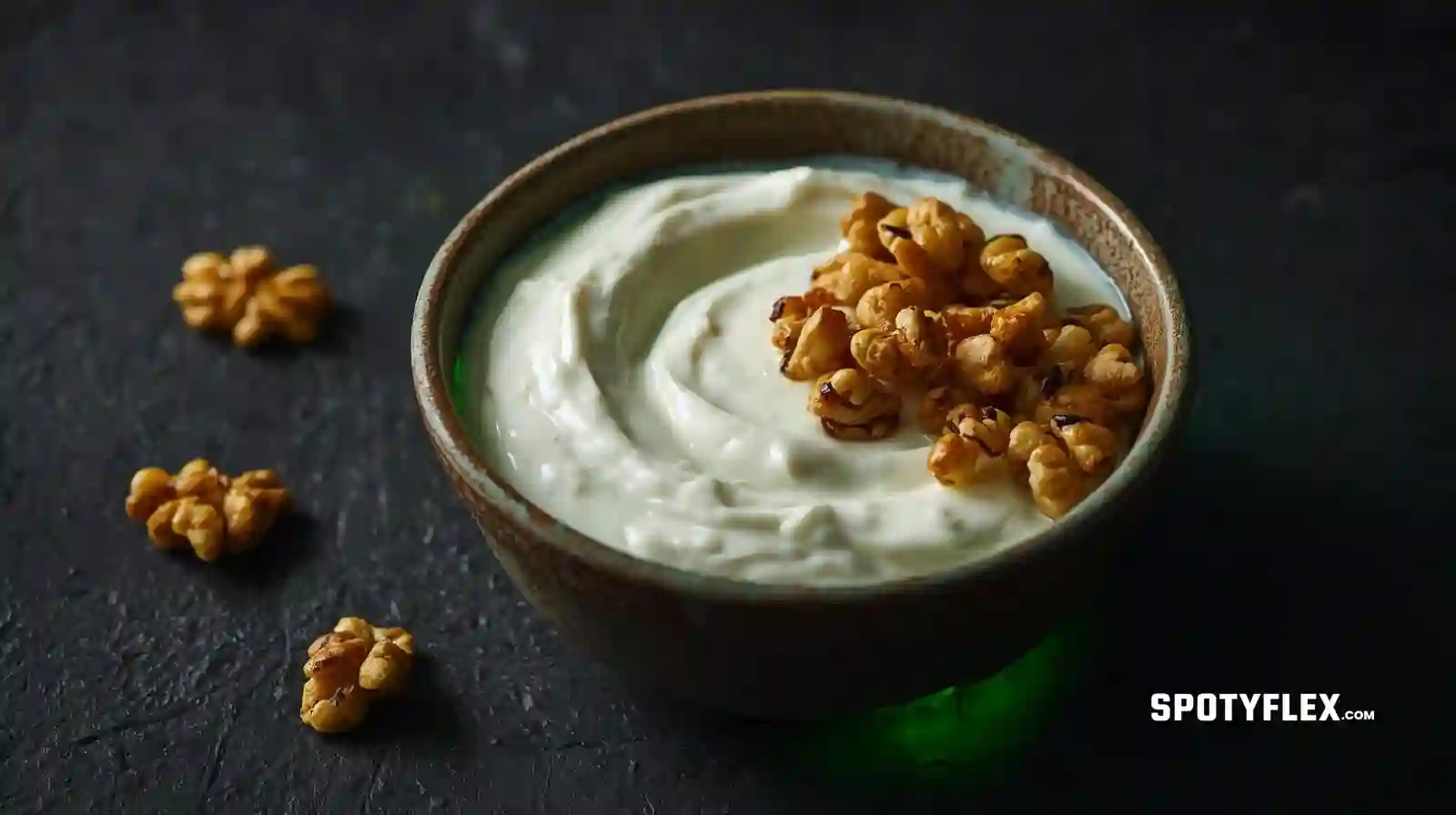
Greek yogurt is arguably the most versatile high-protein food out there. It works as breakfast, a post-workout snack, a sauce base, or a dessert swap. The key is buying plain, full-fat or 0% — not the flavored versions loaded with sugar.
Best for: Breakfast, snacks, replacing sour cream in recipes.
Bonus: Naturally high in casein protein (slow-digesting) — great before bed to support overnight muscle recovery.
One of the cheapest, most convenient high-protein foods you can buy. A single can covers a significant portion of your daily protein needs at almost zero prep time.
Best for: Lunch, quick meals, budget-conscious eating.
Watch out for: Sodium content in brine-packed cans. Go for water-packed and rinse if needed. Limit to 2–3 cans per week due to mercury content.
Cottage cheese went from old-fashioned diet food to one of the most talked-about high-protein ingredients online — and for good reason. It's extremely filling, high in casein, and mild enough to work in both sweet and savory dishes.
Best for: Late-night snacks, blending into sauces, mixing with fruit.
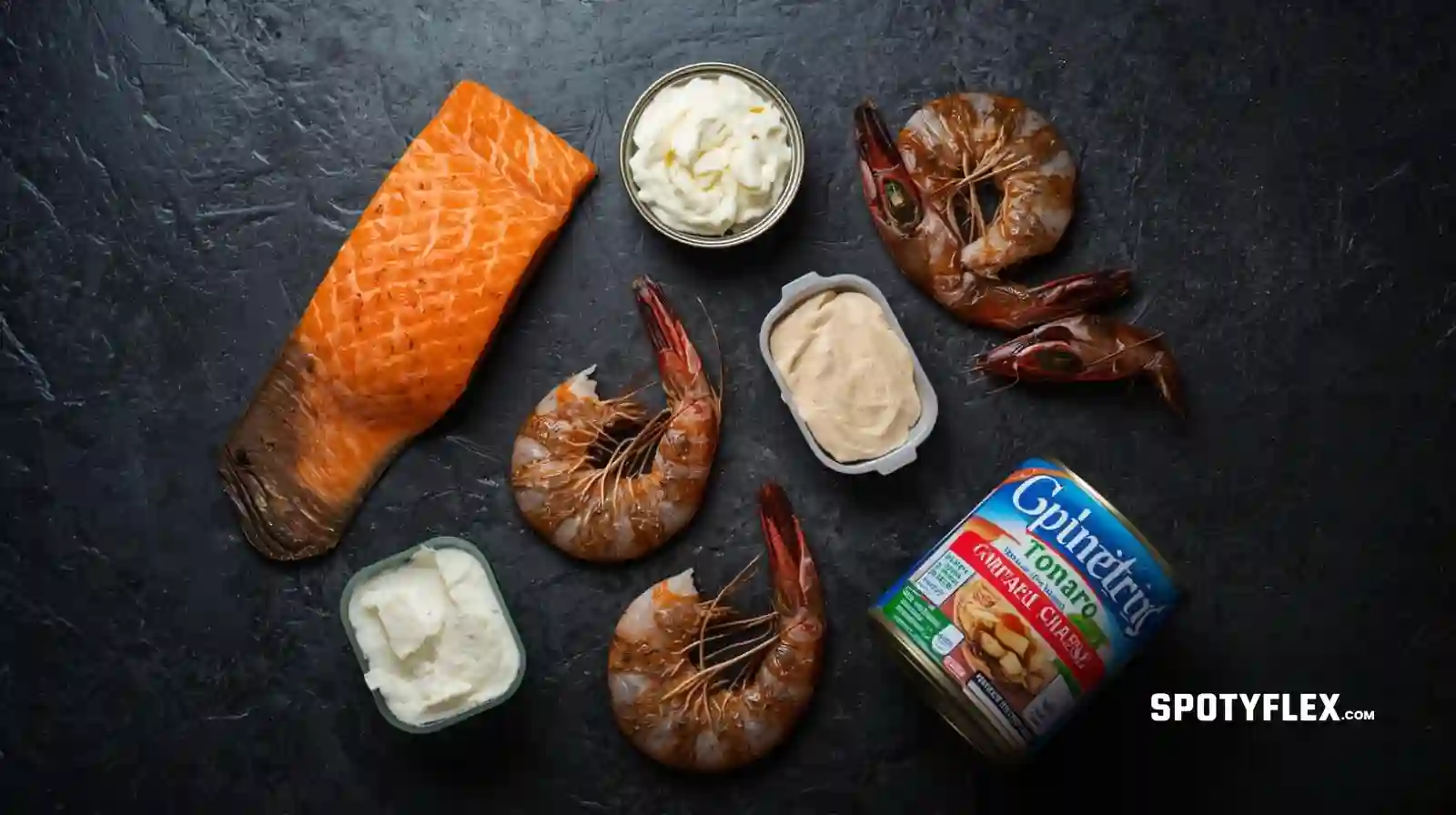
Salmon is the rare food that's both high in complete protein and loaded with omega-3 fatty acids — which play a direct role in reducing inflammation and supporting muscle recovery. It's one of the best foods you can eat if you train seriously.
Best for: Dinners, meal prep, anyone with an active training schedule.
Note: Wild-caught is better for omega-3 content. Frozen fillets are just as good as fresh and significantly cheaper.
Lean beef (90/10 or leaner) is one of the most nutrient-dense proteins available. Beyond protein, it's high in creatine, zinc, iron, and B12 — all crucial for training performance and energy.
Best for: Bulking phases, anyone who struggles with low iron or energy.
Best use: Ground into bowls, stir-fries, or paired with rice and vegetables.
Shrimp is exceptionally lean — almost pure protein with very little fat. It's also one of the fastest foods to cook, which matters when you're fitting meals around a busy schedule.
Best for: Fat loss phases, anyone who wants high protein with very low calories.
Tip: Frozen pre-peeled shrimp is a meal-prep staple. Thaw and cook in under 5 minutes.
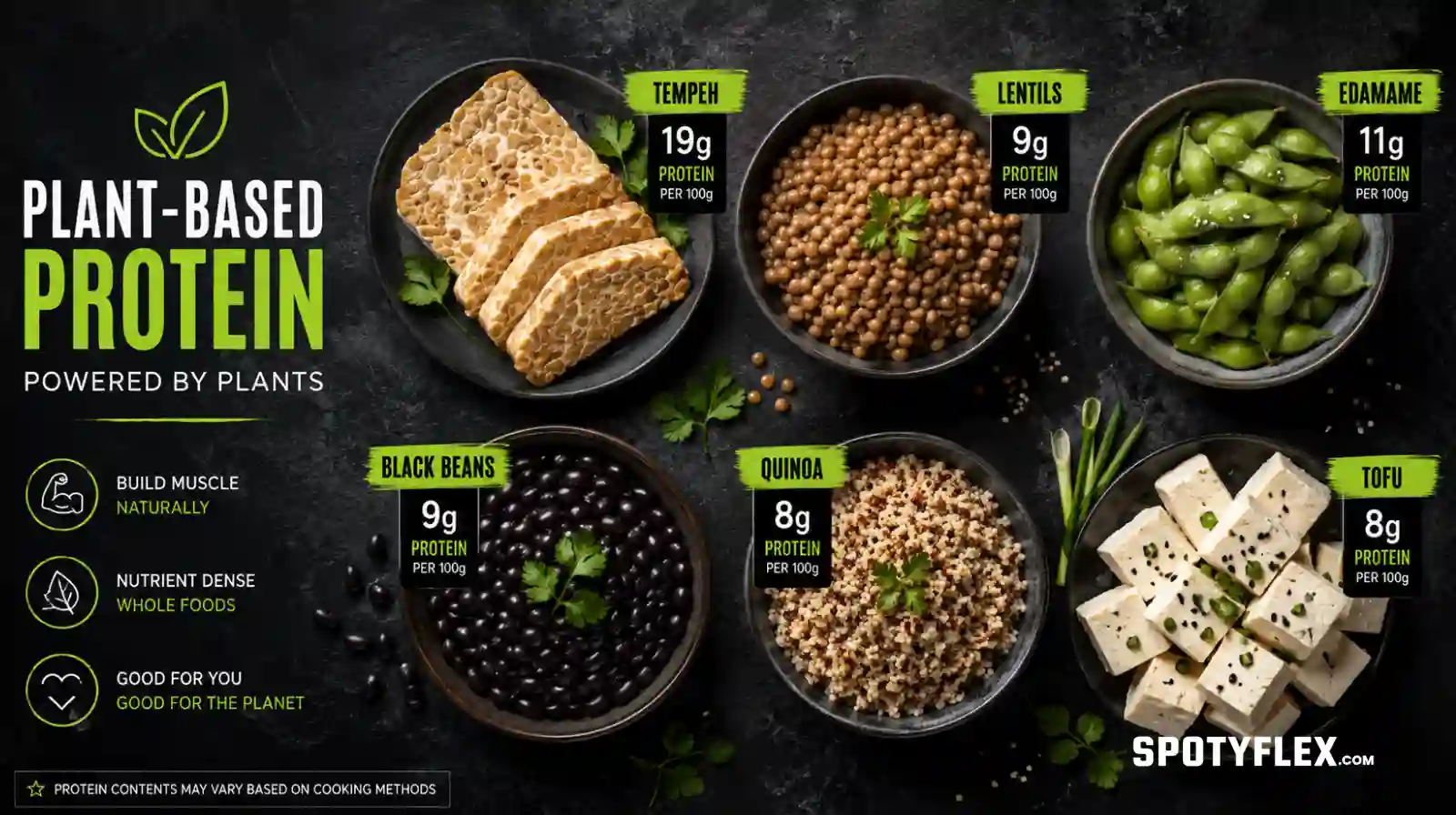
Plant-Based Sources
Plant proteins are generally lower in one or more essential amino acids compared to animal sources, but combining them correctly — or eating enough total protein — closes that gap entirely. Here are the best options:

Tempeh is fermented soy — and it's the highest-protein plant food you'll find outside of powders. Unlike tofu, it has a firm texture and a nutty flavor that holds up well to high-heat cooking like frying or grilling.
Best for: Plant-based eaters who want maximum protein density.
Bonus: Fermented = better gut health. The fermentation process also improves protein bioavailability.
Tofu gets a bad reputation for being bland — that's a preparation problem, not a food problem. Pressed firm tofu, marinated and pan-fried or air-fried, can be genuinely delicious and serves as a complete protein source.
Best for: Stir-fries, bowls, anyone reducing animal product intake.
Tip: Press tofu for 20–30 minutes before cooking to remove moisture — it makes a massive difference in texture.
Lentils are one of the most complete nutrition packages in the plant kingdom — high protein, high fiber, rich in iron, folate, and complex carbs. They're also incredibly cheap and cook from dry in under 25 minutes with no soaking required.
Best for: Budget-focused eating, adding protein + fiber to meals.
Combine with: Rice or grains to create a complete amino acid profile.
Edamame (whole young soybeans) is one of the very few plant sources that qualifies as a complete protein. It contains all nine essential amino acids at meaningful levels — rare for a plant food.
Best for: High-protein snacking, adding to salads or rice bowls.
Convenience: Frozen edamame takes 3–5 minutes to prepare. One of the fastest high-protein snacks available.
Black beans offer a solid protein-to-calorie ratio alongside a ton of fiber — which supports gut health, keeps you fuller longer, and stabilizes blood sugar. They're one of the best foods for body recomposition on a budget.
Best for: Budget meals, adding bulk to dishes without much fat.
Quinoa has a lower protein count than others on this list, but it earns its place as a complete protein — one of the only grains that contains all essential amino acids. Use it as a protein-boosted carb base instead of white rice.
Best for: Replacing refined grains in meals, adding a protein bump to a carb-heavy dish.
How Much Protein Do You Actually Need?
Before optimizing your sources, you need to know your target. As covered in the protein needs guide, the general recommendations are:
- Muscle gain: 1.6–2.2g per kg of bodyweight (roughly 0.7–1g per lb)
- Fat loss (preserving muscle): 1.8–2.4g per kg — slightly higher to prevent muscle breakdown
- Sedentary baseline: 0.8g per kg — the minimum, not the target for active people
A 75kg person training 4x per week should aim for 120–165g of protein per day. That's achievable with 3–4 of the foods above spread across meals — no powder required, though a whey protein supplement can help if you're consistently falling short.
Hit your protein target from whole foods first. Supplements fill gaps — they don't replace meals. Aim to get at least 80% of your daily protein from food sources on this list.
Not sure how many calories or protein you actually need?
Use the SpotyFlex macro calculator to get your personalized targets in under 2 minutes.
Calculate My Macros →Frequently Asked Questions
Sources & References
The information in this article is based on peer-reviewed research and established nutritional science. Sources are listed below for transparency and verification.
- Morton RW, Murphy KT, McKellar SR, et al. (2018). A systematic review, meta-analysis and meta-regression of the effect of protein supplementation on resistance training-induced gains in muscle mass and strength in healthy adults. British Journal of Sports Medicine, 52(6), 376–384. bjsm.bmj.com
- Stokes T, Hector AJ, Morton RW, McGlory C, Phillips SM. (2018). Recent perspectives regarding the role of dietary protein for the promotion of muscle hypertrophy with resistance exercise training. Nutrients, 10(2), 180. mdpi.com
- Berrazaga I, Micard V, Gueugneau M, Walrand S. (2019). The role of the anabolic properties of plant- versus animal-based protein sources in supporting muscle mass maintenance. Nutrients, 11(8), 1825. mdpi.com
- Churchward-Venne TA, Burd NA, Phillips SM. (2012). Nutritional regulation of muscle protein synthesis with resistance exercise: strategies to enhance anabolism. Nutrition & Metabolism, 9(1), 40. nutritionandmetabolism.biomedcentral.com
- Halton TL, Hu FB. (2004). The effects of high protein diets on thermogenesis, satiety and weight loss: a critical review. Journal of the American College of Nutrition, 23(5), 373–385. pubmed.ncbi.nlm.nih.gov