


Burning fat isn't about suffering.
It's not about starving yourself or spending three hours in the gym.
It's about making smarter choices, consistently, over time.
Most people fail at fat loss not because they lack willpower — but because they're following advice that's either outdated, extreme, or just wrong. The fitness industry profits from complexity and urgency: detox teas, 1,000-calorie crash diets, and 90-day transformation programs that work for three weeks and then collapse. The biology of fat loss is actually far simpler than that — and it doesn't require misery.
These 10 tips are backed by research, practical to implement without overhauling your entire life, and designed to work together as a compounding system rather than isolated tricks. None of them will double your fat loss overnight. All of them will move the needle, consistently, if you actually apply them.
What You'll Learn
- Why protein is the #1 fat-loss tool most people underuse
- How sleep and stress directly impact your ability to burn fat
- The difference between cardio and HIIT for fat loss
- Why muscle mass is your long-term metabolism advantage
- Simple daily habits that compound into real results
The Short Version
- Eat enough protein at every meal — aim for 1.6–2.2g per kg of bodyweight daily
- Lift weights at least 3x per week to build metabolism-boosting muscle
- Prioritize 7–9 hours of sleep — poor sleep actively increases fat storage
- Add HIIT 1–2x per week for efficient calorie burn without long sessions
- Stay consistent with small habits — they compound faster than crash diets
Start Every Meal With Protein
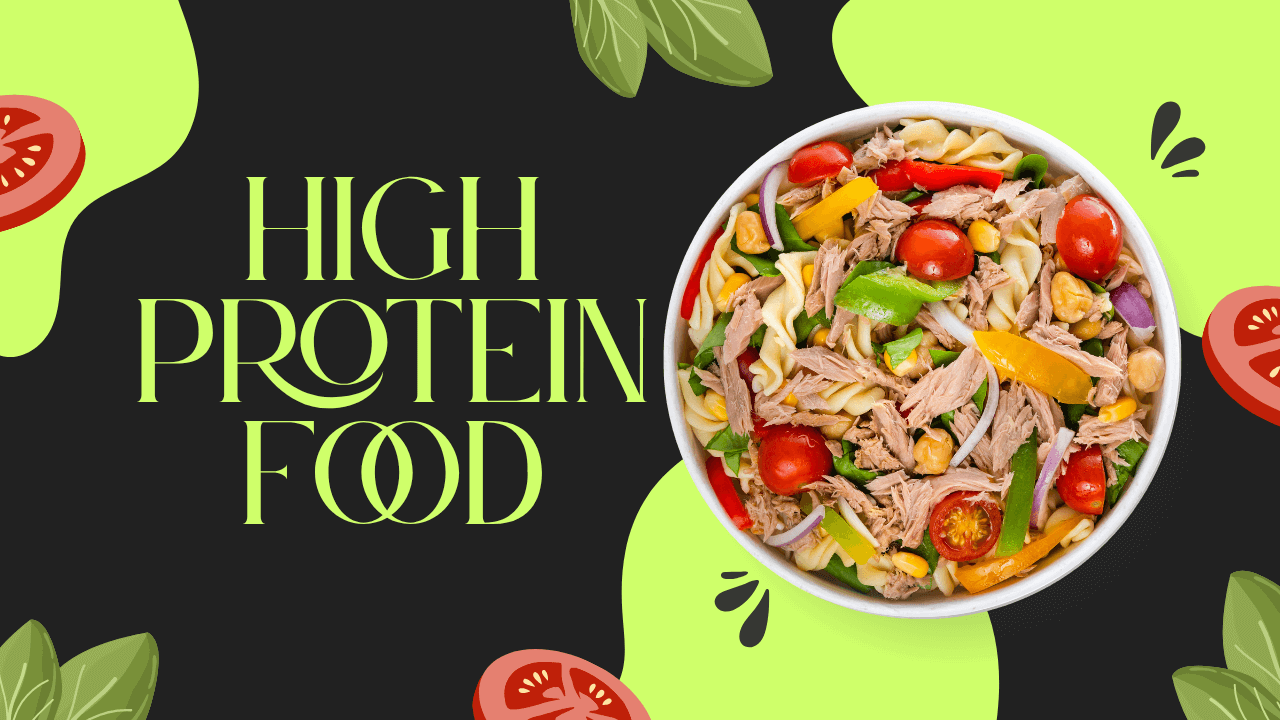
Protein is the most powerful macronutrient for fat loss — not because it's magic, but because of how your body processes it. Protein has a high thermic effect: your body burns roughly 20–30% of protein calories just in the process of digesting and metabolising it. Carbohydrates burn around 5–10%. Dietary fat burns only 0–3%. That difference adds up meaningfully over the course of a day — a diet with 150g of protein burns significantly more calories through digestion alone than the same calorie intake from mostly carbs and fat.
Beyond thermogenesis, protein is the most satiating macronutrient. It suppresses ghrelin (your primary hunger hormone) and boosts peptide YY and GLP-1 (your satiety hormones), which means you naturally eat less without fighting constant cravings. A landmark study published in the American Journal of Clinical Nutrition (Weigle et al., 2005) found that increasing protein to 30% of total calories led to a spontaneous reduction of 441 calories per day — participants ate less simply because they were less hungry, without being told to restrict intake.
Protein also has a critical muscle-preserving function during fat loss. When you're in a calorie deficit, your body will break down both fat and muscle for energy unless you give it enough protein to protect lean tissue. Preserving muscle during a cut is what keeps your metabolism from dropping as you lose weight — and it's what determines whether you look lean or just smaller when you reach your goal.
What to aim for
Target 1.6–2.2g of protein per kg of bodyweight per day. For a 75kg person, that's around 120–165g daily. Good sources: chicken breast, eggs, Greek yogurt, cottage cheese, tuna, lentils, tempeh.
Drink Water — Especially Before Meals
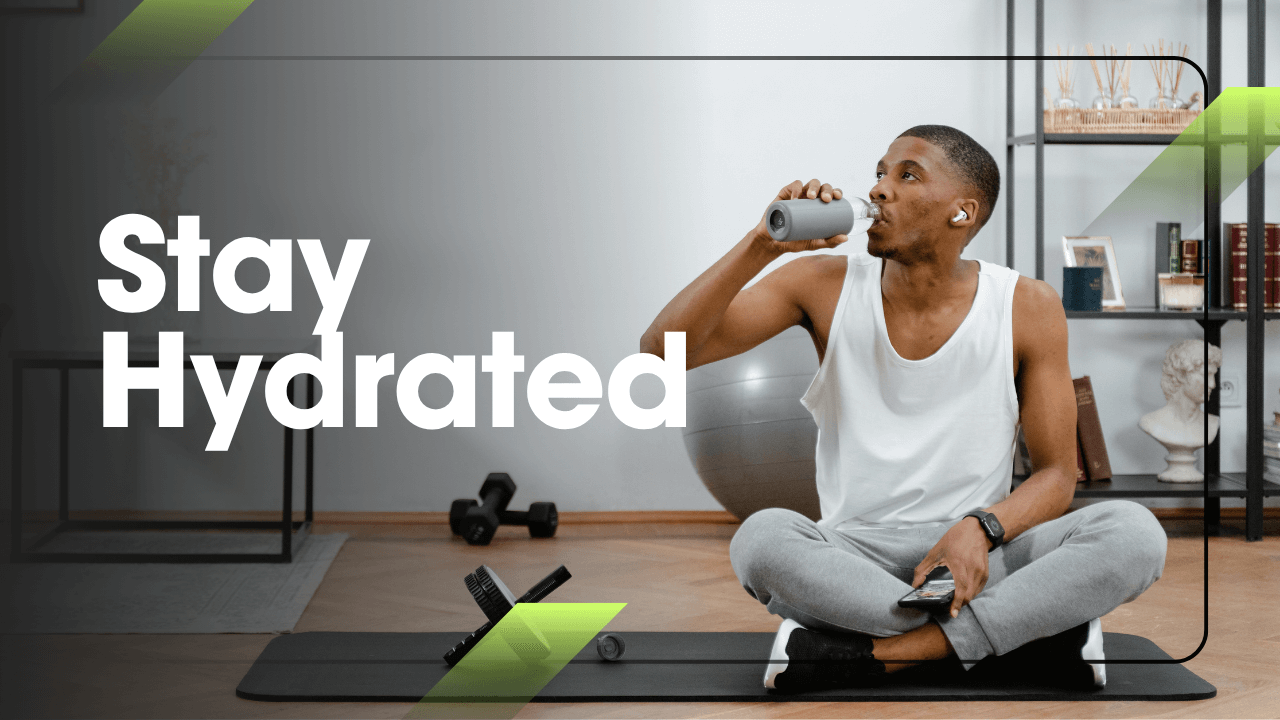
Your brain processes thirst and hunger through overlapping neural pathways — which means mild dehydration frequently gets misread as hunger. This is a well-documented phenomenon: people who drink a glass of water when they feel hungry often find the sensation disappears within 10–15 minutes because the body needed hydration, not food. Over a day, mistaking thirst for hunger repeatedly translates to hundreds of extra calories consumed for no physiological reason.
Drinking water before meals compounds this benefit by creating a short-term feeling of gastric fullness that naturally reduces portion size. A randomised controlled trial published in Obesity (Davy et al., 2009) found that participants who drank 500ml of water 30 minutes before each meal lost significantly more weight over a 12-week intervention than a control group — with meal calorie intake reduced by approximately 13% per meal. Over the course of a week, that's a meaningful calorie reduction achieved purely through a habit that costs nothing.
Cold water has an additional minor thermogenic effect: your body must expend energy raising the water to core temperature, which adds a small but real metabolic nudge. More practically, hydration supports kidney function, which allows your liver to focus on fat metabolism rather than compensating for the kidneys. Adequate hydration also maintains training performance — even 2% dehydration measurably reduces strength and endurance, which means your training sessions produce less fat-burning stimulus when you're under-hydrated.
Practical target
Aim for 2.5–3.5 liters per day depending on your size and activity level. Start each morning with a full glass before coffee or food. Carry a water bottle everywhere — out of sight means out of mind.
Lift Weights at Least 3x Per Week
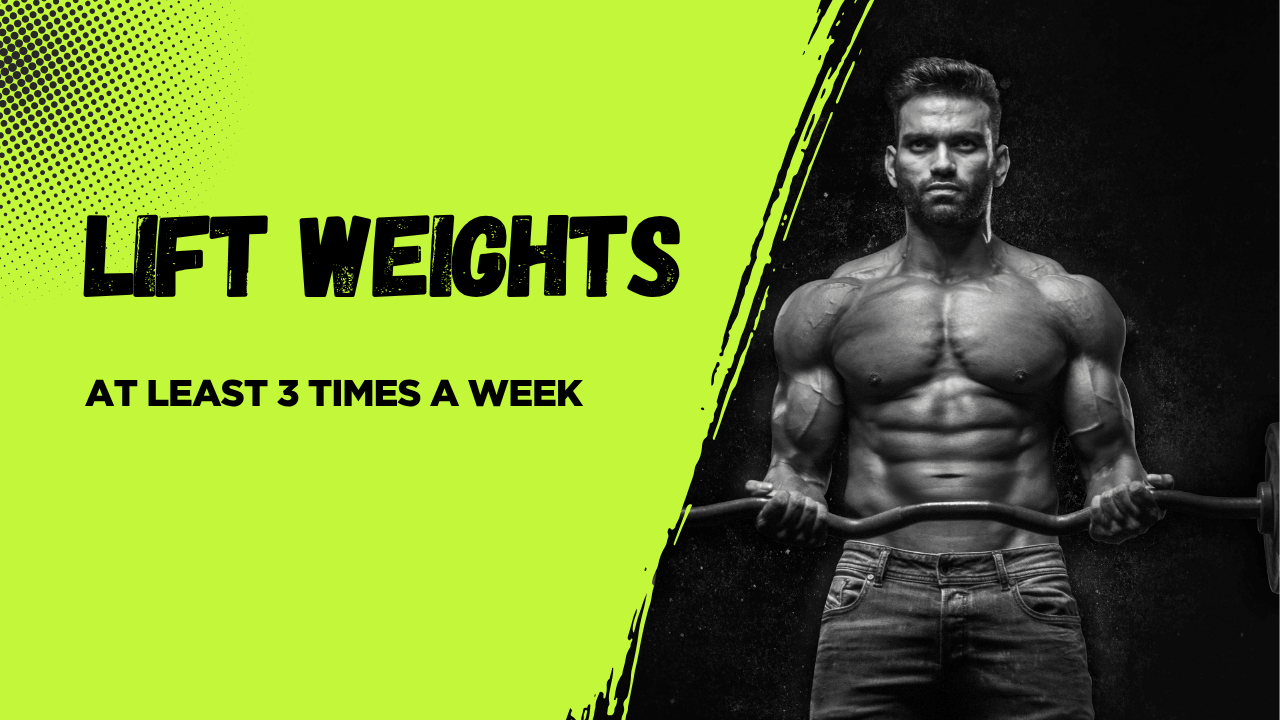
Cardio burns calories during a session. Muscle burns calories all day long — even while you sleep. Every kilogram of muscle tissue you add to your body raises your resting metabolic rate (RMR), meaning your baseline calorie expenditure increases permanently. Research by Pratley et al. (1994) demonstrated that resistance training in older men increased resting metabolic rate by 7% over 16 weeks. For a person burning 2,000 calories per day at rest, that's an extra 140 calories burned daily just from the muscle gained — without any additional exercise.
This metabolic advantage compounds over months and years. Two people of identical weight can have very different metabolisms based on their muscle-to-fat ratio. The person with more muscle is burning more energy 24/7, requires more calories to maintain their weight, and has a much larger buffer against fat regain. This is why strength training is not just a tool for building muscle — it's the most sustainable long-term fat-loss strategy available, because it permanently alters your body's energy balance in your favour.
Strength training also triggers EPOC (Excess Post-Exercise Oxygen Consumption), commonly called the afterburn effect. After a heavy resistance session, your body continues burning elevated calories for up to 38 hours during the recovery and muscle-repair process. A single strength session doesn't just burn calories during the 45 minutes you're in the gym — it keeps your metabolism elevated through the rest of the day and into the next.
Where to start
Focus on compound movements that work multiple muscle groups: squats, deadlifts, bench press, rows, overhead press. 3 sessions per week of 45–60 minutes is enough to build real muscle and keep your metabolism elevated.
Add HIIT 1–2 Times Per Week
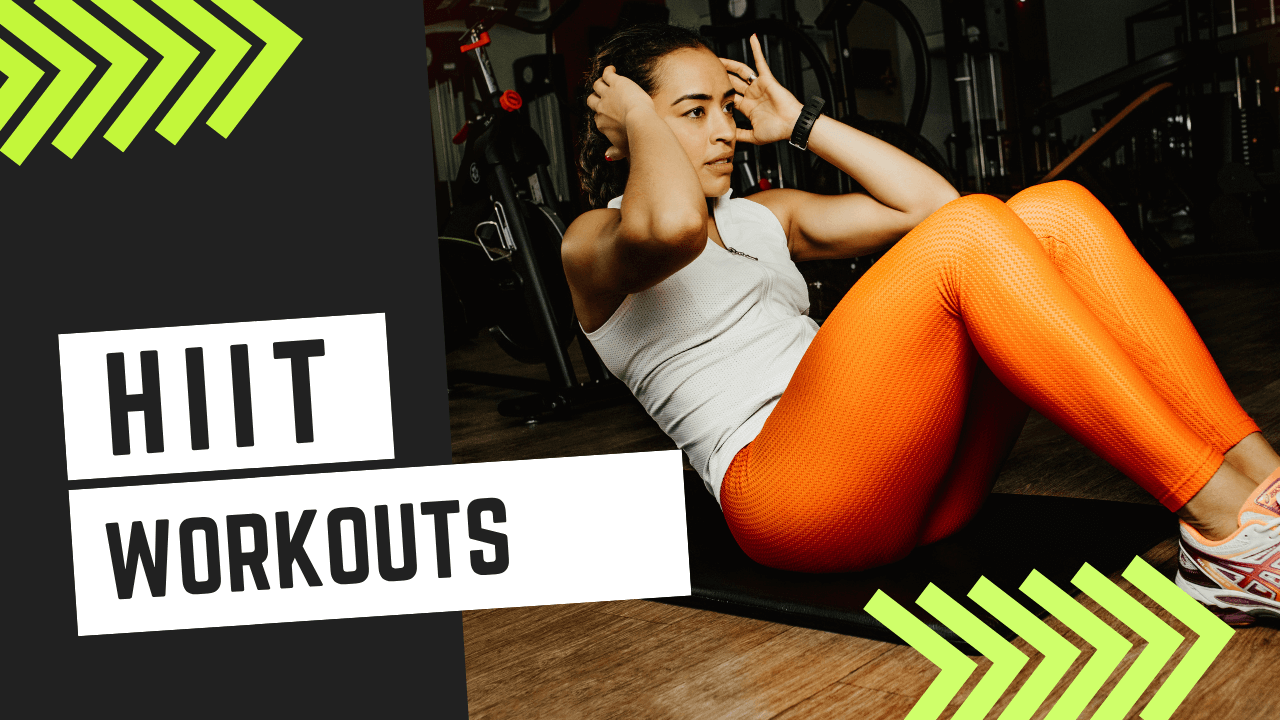
If you don't have 45 minutes for cardio, HIIT is your answer. High-Intensity Interval Training alternates between short bursts of maximum effort and brief recovery periods. A well-executed 20-minute HIIT session can produce comparable calorie expenditure to a 40-minute steady-state run — and the afterburn effect (EPOC) keeps your metabolism elevated for up to 24 hours afterward. Research published in Frontiers in Physiology (Schaun et al., 2024) confirmed that interval running induces significantly greater post-exercise fat oxidation than calorie-matched continuous running.
HIIT is also superior to long-duration cardio for body recomposition specifically. Prolonged steady-state cardio at moderate intensity tends to break down muscle tissue over time as your body adapts to become more efficient — essentially becoming lighter and smaller rather than leaner. HIIT preserves muscle tissue because the short, explosive efforts recruit fast-twitch muscle fibers in the same way resistance training does. This makes HIIT far more compatible with a strength training program focused on body composition rather than just scale weight.
One practical caveat: HIIT is genuinely demanding and requires adequate recovery. Doing it four or five times per week on top of strength training will lead to overtraining, poor performance, and increased injury risk. One to two sessions per week is the evidence-supported sweet spot for most people — enough to capture the metabolic benefits without compromising recovery from resistance training.
Simple HIIT protocol
Sprint for 30 seconds at full effort. Walk or rest for 90 seconds. Repeat 8–10 times. Total: under 20 minutes. Can be done with sprints, cycling, jump rope, or bodyweight exercises like burpees.
Treat Sleep as a Fat-Loss Tool

This one surprises most people: you can eat perfectly and train hard, but if you're sleeping 5–6 hours a night, you are actively working against your fat-loss goals. Poor sleep triggers a cascade of hormonal disruptions that make fat loss physiologically harder. The primary mechanism is cortisol elevation — chronic sleep deprivation keeps your stress hormone chronically elevated, which directly signals your body to conserve energy and retain fat, particularly visceral fat around the abdomen.
But cortisol is just the beginning. Sleep deprivation also disrupts the two hormones most directly responsible for appetite regulation: ghrelin and leptin. Ghrelin signals hunger; leptin signals fullness. After a poor night's sleep, ghrelin spikes and leptin drops simultaneously — your body is both hungrier and less satisfied by the food you eat. Research by Schmid et al. (2008) found that a single night of sleep deprivation significantly elevated ghrelin and hunger ratings in healthy men. Extended sleep restriction leads to an average increase of 300–500 extra calories consumed per day — without any conscious awareness that your intake has changed.
Sleep is also when the majority of growth hormone secretion occurs — the hormone responsible for muscle repair, fat mobilisation, and tissue recovery from training. Cutting sleep short doesn't just impair fat loss; it undermines everything you're doing in the gym by reducing the hormonal environment required for the adaptations you're training for. Consistently sleeping 7–9 hours isn't a nice-to-have — it's the foundation every other fat-loss strategy sits on.
Sleep hygiene basics
Aim for 7–9 hours. Keep a consistent sleep and wake time — even on weekends. Avoid screens 30 minutes before bed. Keep your room cool and dark. These aren't optional extras; they're as important as your training.
Drink Green Tea or Black Coffee
Both green tea and black coffee contain compounds that support fat oxidation — the metabolic process by which stored fat is broken down and used as fuel. Green tea is particularly rich in EGCG (epigallocatechin gallate), a catechin antioxidant that has been shown to increase fat burning, especially during exercise. A study published in the American Journal of Clinical Nutrition (Dulloo et al., 1999) found that green tea extract increased 24-hour energy expenditure by 4% and fat oxidation by 17% compared to placebo — a meaningful effect from a single dietary compound.
Caffeine — found in both coffee and green tea — amplifies this effect through a different mechanism. It stimulates the sympathetic nervous system, which promotes lipolysis (the release of free fatty acids from fat cells into the bloodstream for use as energy). Coffee before training has been shown to increase fat oxidation during the exercise session, which is why it's one of the most evidence-backed pre-workout tools available. The combination of caffeine and EGCG in green tea produces synergistic effects that exceed either compound alone.
The critical caveat: the benefit only applies to black coffee and unsweetened green tea. Adding sugar, flavoured syrups, milk, or cream adds calories that immediately offset any metabolic advantage — and in the case of a flavoured latte or sweetened matcha drink, often massively exceed it. These are zero-calorie tools when used correctly; high-calorie desserts disguised as health drinks when used incorrectly.
How to use them
Black coffee or plain green tea only — no sugar, no flavoured syrups, no full-fat cream. Limit to 2–3 cups per day and avoid both in the 6 hours before sleep to protect sleep quality.
Eat at Consistent Times — Don't Skip Meals
Skipping meals feels like a shortcut to eating less — but it almost always backfires through a predictable physiological sequence. When you go too long without food, blood glucose drops, triggering a cortisol release to mobilise energy stores. Hunger signals intensify, and by the time you eat, you're in a hormonal state that drives rapid eating, larger portions, and preferential selection of high-calorie, high-carbohydrate foods. One skipped lunch regularly becomes a dinner twice the size it should be — with a net calorie intake higher than if you'd simply eaten the lunch.
Beyond the overeating response, irregular meal timing disrupts your circadian rhythm and the metabolic processes tied to it. Your body's digestive enzyme activity, insulin sensitivity, and fat oxidation rate all follow daily rhythms that are calibrated around consistent eating patterns. Eating at erratic times — skipping some meals, eating very late at night, going many hours without food followed by large meals — impairs these rhythms and reduces metabolic efficiency over time.
This doesn't mean you need to eat every two hours or follow a rigid schedule to the minute. The practical principle is simpler: don't let yourself get to the point of being genuinely hungry enough that you'll eat anything and eat a lot of it. Spacing meals every 3–5 hours, keeping each meal protein-anchored, and having a planned snack available prevents the blood sugar crash-and-overcompensate cycle that derails most fat-loss attempts.
Simple structure
3 main meals + 1–2 snacks, spaced roughly every 3–5 hours. Each meal should include protein, which slows digestion and keeps blood sugar stable for longer.
Include Healthy Fats — Don't Fear Them
The idea that eating fat makes you fat has been thoroughly debunked by decades of nutritional research, yet the low-fat mindset persists in a lot of popular diet culture. What the evidence actually shows is that dietary fat is not the primary driver of body fat accumulation — total calorie surplus is. Healthy fats from whole food sources are not only safe to include in a fat-loss diet; they're physiologically necessary for it to work properly.
Dietary fat is the precursor for steroid hormone synthesis — including testosterone, estrogen, and cortisol. Severely restricting fat intake disrupts hormonal balance in ways that directly impair fat loss: low testosterone reduces muscle retention during a cut, hormonal dysregulation increases hunger and cravings, and impaired cortisol regulation makes stress management harder. Research by Piers et al. (2002) found that monounsaturated fats (the kind found in olive oil and avocados) actually improve postprandial fat oxidation compared to saturated fat — meaning the type of fat matters, not just the presence of it.
Healthy fats also slow gastric emptying, keeping you fuller for longer after meals and reducing the frequency of hunger signals throughout the day. They improve the absorption of fat-soluble vitamins (A, D, E, K) from other foods in your meal, support brain function and mood regulation, and reduce systemic inflammation — all of which contribute to a body that functions better and recovers faster from training. Aim to include sources of healthy fat at most meals, not to fear them.
Best sources
Avocado, olive oil, almonds, walnuts, salmon, mackerel, chia seeds, natural nut butters. Avoid trans fats (found in processed snacks and fried fast food) — these are the fats that actually cause problems.
Manage Stress Actively
Chronic stress is one of the most underestimated obstacles to fat loss — and one of the least discussed. When you're under sustained psychological stress, your body produces elevated cortisol as part of the fight-or-flight response. In short bursts, cortisol is useful. Chronically elevated, it becomes a fat-storage signal: cortisol tells your body to conserve energy, upregulates fat storage enzymes particularly in visceral adipose tissue (abdominal fat), and simultaneously drives cravings for high-calorie, high-sugar, high-fat foods as the brain seeks rapid energy to cope with the perceived threat.
Research by Epel et al. (2000) found a consistent relationship between cortisol reactivity and central fat accumulation — women with greater cortisol stress responses had significantly more abdominal fat regardless of overall body weight. This is the physiological basis for the observation that stressed, sleep-deprived people often struggle to lose abdominal fat even when they're eating well. The hormonal environment created by chronic stress actively resists the process.
The solution isn't to eliminate stress — that's not realistic. It's to build regular practices that lower the baseline cortisol load enough that your body can enter fat-burning mode. Even a 20-minute daily walk has been shown to measurably reduce cortisol levels. Strength training converts the cortisol stress response into productive adaptation. Reducing caffeine intake if you're already anxious removes a cortisol amplifier. Protecting time away from work, screens, and constant stimulation — even briefly — allows the nervous system to downregulate. These aren't wellness clichés; they're physiological levers with direct impact on fat loss.
What actually helps
Daily walks (even 20 minutes lowers cortisol measurably). Reducing caffeine if you're already anxious. Breathing exercises. Protecting time away from screens. Strength training itself is one of the best stress-management tools available — it converts cortisol into productive adaptation.
Track What You Eat — At Least for a While
Most people dramatically underestimate how much they're eating. This isn't a character flaw — it's a documented cognitive bias. A landmark study published in the New England Journal of Medicine (Lichtman et al., 1992) found that obese subjects reporting difficulty losing weight despite claimed calorie restriction were, on average, underreporting their food intake by 47% and overreporting their exercise by 51%. The subjects weren't deliberately lying — they genuinely believed their estimates were accurate. The gap between perceived and actual intake is the single most common reason people stall on fat-loss programs.
Tracking food intake — even temporarily — closes this gap by replacing guesswork with data. You don't need to do it forever. Two to four weeks of honest, detailed tracking gives most people a calibrated understanding of their actual intake, realistic portion sizes, and where their calories are actually coming from that typically persists for months afterward. Most people discover that their "clean eating" habits include several hundred calories per day of untracked cooking oil, sauces, snacks, and drinks that they were genuinely not accounting for.
The goal of tracking isn't to become obsessive about numbers — it's to develop nutritional literacy. Once you know what 30g of oats looks like, how many calories are in your usual lunch, and what your actual protein intake is on a typical day, you can make genuinely informed decisions without needing to weigh everything indefinitely. That knowledge doesn't expire. The awareness alone — the simple act of paying attention to what you're consuming — changes eating behaviour in ways that persist long after you stop logging.
How to start
Use a free app like MyFitnessPal or Cronometer. Log everything for 2 weeks — including drinks, condiments, and snacks. You don't need to be perfect; you just need to be honest. The awareness alone changes behaviour.
How These Tips Work Together
None of these tips are dramatic on their own. That's intentional — sustainable fat loss doesn't come from a single heroic intervention. It comes from layering multiple habits that each do something useful, and that collectively create an environment where fat loss becomes the path of least resistance rather than a constant uphill battle.
The connections between these tips are what make them powerful. Protein keeps you full, so you eat fewer calories without feeling deprived. Strength training builds muscle, which raises your resting metabolism. Better sleep regulates the hunger hormones that would otherwise drive overeating. Hydration prevents false hunger signals from creating unplanned calorie intake. Stress management keeps cortisol low, so your body is hormonally willing to release fat rather than retain it. Green tea and coffee provide a metabolic nudge during training. Meal timing prevents the blood sugar crashes that lead to impulsive eating. Tracking provides the data to understand what's actually happening versus what you assume is happening.
Each tip reinforces the others. When you sleep well, you have more willpower for food choices. When you eat enough protein, you have more energy and muscle to train with. When training goes well, sleep improves. These aren't independent variables — they're a system, and systems produce exponentially better results than isolated actions.
Start with three or four of these — whichever feel most actionable given your current lifestyle. Build them into habits over four to six weeks. Then layer in the others. Six months of consistent, compounding habits will do more for your body composition than any 30-day extreme challenge ever could. The timeline feels slower; the results are permanent.
Go Deeper
Ready to build a full fat-loss system? These articles cover the details behind the principles above.
Written by Younes Ouba — Founder of SpotyFlex. Full-stack developer and fitness enthusiast focused on strength training and science-backed nutrition.
Scientific References
- Weigle DS, et al. A high-protein diet induces sustained reductions in appetite, ad libitum caloric intake, and body weight despite compensatory changes in diurnal plasma leptin and ghrelin concentrations. American Journal of Clinical Nutrition, 2005. PubMed ↗
- Davy BM, et al. Water consumption increases weight loss during a hypocaloric diet intervention in middle-aged and older adults. Obesity, 2009. PubMed ↗
- Pratley R, et al. Strength training increases resting metabolic rate and norepinephrine levels in healthy 50- to 65-yr-old men. Journal of Applied Physiology, 1994. PubMed ↗
- Schaun GZ, et al. Acute interval running induces greater excess post-exercise oxygen consumption and lipid oxidation than isocaloric continuous running in men with obesity. Frontiers in Physiology, 2024. PMC ↗
- Schmid SM, et al. A single night of sleep deprivation increases ghrelin levels and feelings of hunger in normal-weight healthy men. Journal of Sleep Research, 2008. PubMed ↗
- Dulloo AG, et al. Efficacy of a green tea extract rich in catechin polyphenols and caffeine in increasing 24-h energy expenditure and fat oxidation in humans. American Journal of Clinical Nutrition, 1999. PubMed ↗
- Leidy HJ, et al. Effects of acute and chronic protein intake on metabolism, appetite, and ghrelin during weight loss. Obesity, 2007. PubMed ↗
- Piers LS, et al. The influence of the type of dietary fat on postprandial fat oxidation rates: monounsaturated (olive oil) vs saturated fat (cream). International Journal of Obesity, 2002. PubMed ↗
- Epel ES, et al. Stress and body shape: stress-induced cortisol secretion is consistently greater among women with central fat. Psychosomatic Medicine, 2000. PubMed ↗
- Lichtman SW, et al. Discrepancy between self-reported and actual caloric intake and exercise in obese subjects. New England Journal of Medicine, 1992. PubMed ↗

/1.webp)
